The New “Woo-woo” Therapy: Updated.
From Curiosity to Integration: Making Room for Spirituality in Healing
Exploring the meeting place between psychotherapy, somatic healing, symbolism, intuition, and spirit.
Years ago, I wrote about my desire to integrate metaphysical and spiritual practices into my work as a therapist. At the time, I was beginning to imagine what healing might look like when psychological insight could exist alongside intuition, symbolism, creativity, ritual, energy, and connection to something greater than ourselves.
Since then, that early curiosity has grown into an essential part of my professional journey.
I have expanded my work beyond psychotherapy to include sound healing, Biofield Tuning, Reiki, intuitive tarot, coaching, and Divine Feminine Healing. What began as a question has become a lived practice grounded in experience, discernment, and deep respect for the many ways people create meaning.
These ideas also became part of a larger conversation when I joined my colleague Kathleen Stark on the Woo Woo Therapist Podcast. In our episode, we explored my journey of blending clinical practice with sound and spiritual healing, along with the experiences that shaped this evolving approach.
Healing Through More Than One Language
Human beings have always sought healing through story, relationship, music, movement, nature, prayer, ritual, creativity, and connection with community. Long before these experiences were described through clinical language, people used symbols and shared practices to understand themselves and navigate grief, transformation, uncertainty, and change.
Psychotherapy offers valuable frameworks for understanding trauma, attachment, emotional patterns, relationships, and the nervous system. Spiritual and holistic practices offer additional languages for exploring meaning, identity, intuition, embodiment, and connection.
For some people, clinical language creates clarity. For others, an image, archetype, dream, tarot card, piece of music, bodily sensation, or spiritual practice may express something that words have yet to reach.
An integrative approach allows these forms of knowing to exist in conversation with one another.
What Spiritual Integration Looks Like in Psychotherapy
Within psychotherapy, spiritual exploration is always client-led. Each person brings their own beliefs, cultural experiences, questions, symbols, and understanding of the world. My role is to remain curious about the meaning these experiences hold for the client.
A client may want to explore:
A recurring dream or symbol
A spiritual experience that changed their understanding of themselves
Religious experiences that brought comfort, conflict, belonging, or pain
Intuitive feelings that arise within relationships
Personal rituals that support grief or transition
Archetypes that reflect different parts of the self
A sense of disconnection from meaning or purpose
The relationship between spirituality and identity
The emotional significance of a tarot card or synchronistic experience
These conversations remain grounded in the client’s own meaning-making. I follow the direction of the person in front of me, listen for what feels emotionally and symbolically significant, and support exploration with curiosity and care.
The goal is greater connection to the self—not the adoption of any particular spiritual framework.
Creating Distinct Spaces for Different Kinds of Healing
As my work evolved, I recognized the value of creating separate spaces for psychotherapy and nonclinical holistic healing.
Psychotherapy focuses on mental health, emotional patterns, relationships, trauma, and clinical treatment goals. My therapeutic approach integrates psychodynamic and parts-based work with somatic experiencing, mindfulness, nervous system awareness, and trauma-informed care.
My holistic and coaching services offer a different kind of container. Sound healing, Reiki, Biofield Tuning, intuitive tarot, and Divine Feminine Healing create space for spiritual exploration, energetic awareness, reflection, ritual, and connection with inner wisdom. These services follow their own consent process, intentions, and structure.
Maintaining these distinct containers allows each form of work to serve its purpose with clarity. It also gives clients the freedom to choose the kind of support that feels most aligned with their needs.
Some people seek psychotherapy. Others feel drawn to sound, energy work, tarot, coaching, or spiritual exploration. Some engage with both through separate services. Each path can offer its own form of insight and connection.
Tarot as a Reflective Practice
Tarot can be especially powerful as a tool for reflection and meaning-making.
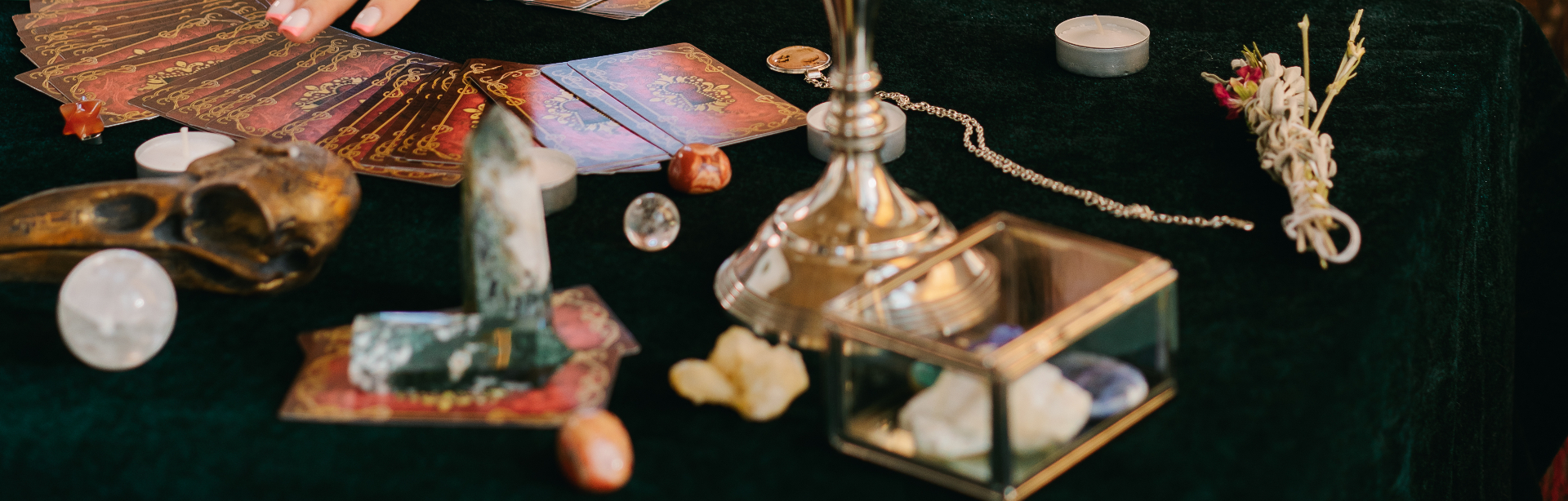
An image may evoke an emotion, memory, fear, desire, or inner conflict. A card can help someone see an experience from a new perspective or give language to something they have sensed internally. The value often emerges through the conversation between the image and the person’s own intuition.
My approach to tarot is reflective and integrative. The cards create an opening for curiosity rather than a fixed declaration about the future. The person receiving the reading remains the authority on what resonates, what carries meaning, and what belongs in their life.
In this way, tarot can function much like dreamwork, art, journaling, or archetypal exploration: as an invitation to listen more deeply.
Sound, Energy, and Embodied Experience
Sound and energy-based practices offer another pathway into embodied awareness.
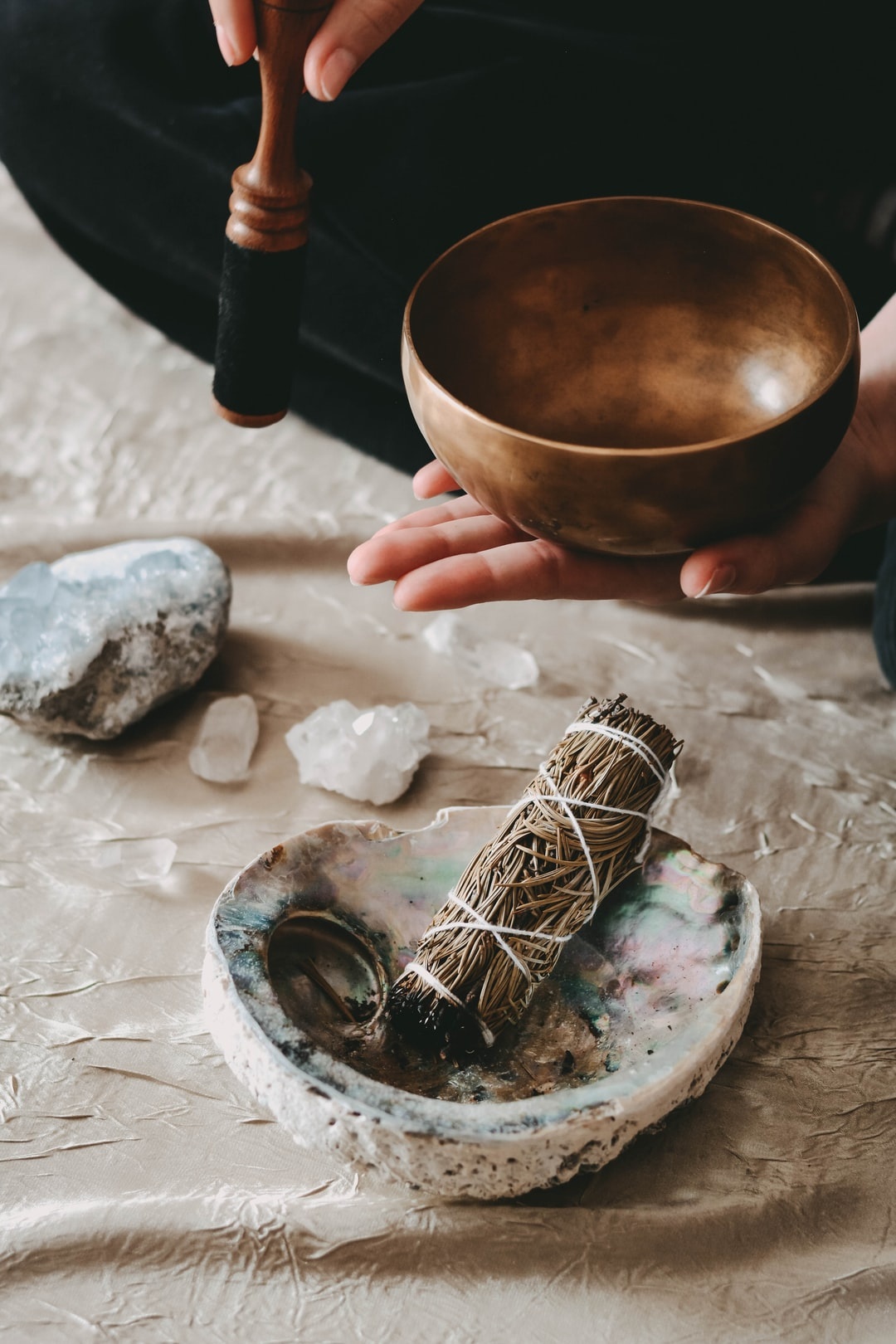
Sound healing can create an environment for rest, reflection, and connection with the body. Biofield Tuning uses sound and vibration within an energetic framework, while Reiki invites a quieter form of receptive awareness. Divine Feminine Healing brings together reflection, spirituality, embodiment, intuition, and themes of identity and personal power.
These experiences can help people slow down and notice what is happening within them. Sensations, emotions, images, memories, or insights may emerge. The practice creates space to witness these experiences with curiosity and allow each person to determine their meaning.
For individuals who spend much of their lives thinking, analyzing, caring for others, or moving quickly from one responsibility to the next, these modalities may offer a rare opportunity to become still and receptive.
Evidence, Intuition, and Discernment
I once framed this integration playfully as “woo-woo therapy.” I still appreciate the warmth and irreverence behind that phrase. My understanding has since become more nuanced.
Integrative work asks for both openness and discernment. It asks us to respect evidence, training, ethics, consent, cultural context, and the individual’s own authority. It also invites us to remain curious about experiences that carry personal, symbolic, spiritual, or embodied meaning.
Evidence and intuition can serve different purposes. Clinical knowledge can help us understand trauma responses and nervous system patterns. Intuition may help someone notice what feels meaningful or aligned. Symbolism can offer language for inner experience. Ritual can mark a transition. Sound can support presence. Relationship can create the safety required for change.
The art lies in understanding which language belongs in which space and allowing each person to guide what feels meaningful to them.
Becoming More Fully Ourselves
My work continues to be guided by the belief that healing involves reconnection—with the body, the authentic self, inner wisdom, relationships, creativity, community, and spirit.
For some, spirituality is central to that process. For others, meaning is found through nature, music, art, movement, ancestry, service, or human connection. Each person deserves space to discover what makes them feel whole and alive.
Years ago, I felt excited about beginning a journey toward greater authenticity and meaning. Today, I can see that the journey became larger and more beautiful than I initially imagined.
I created the work I once wondered whether I could create.
And I continue to approach it with the same curiosity: honoring the many ways we heal, the many ways we know, and the many ways we find our way home to ourselves.